Among the newest and non-traditional feed materials, Algae surely deserve the highest attention from the feed industry

Algae

Algae comprises a wide range of species, with largely variable charachteristics and potentially completely different features and applications.

A main distinction is between microalgae (monocellular organisms) and seaweeds. Microalgae are usually particularly rich in either lipids or proteins and, in general, they are exploited for their content of valuable compounds, like omega-3 fatty acids, pigments or beta glucans. They can all be artificially grown with a variety of systems, from open air lagoons to closed photobioreactors.

Seaweeds comprises brown Algae, red Algae and green Algae. These three families are charachterized by the presence of different types and amounts of polysaccharides and by different protein percentage in their composition. More specifically, red Algae tend to have the highest protein content. They can both be artificially grown and harvested in natural environments. Brown Algae typically contain substances like polysaccharides and phlorotannins which are known to influence the intestinal health of monogastrics.
Algae products

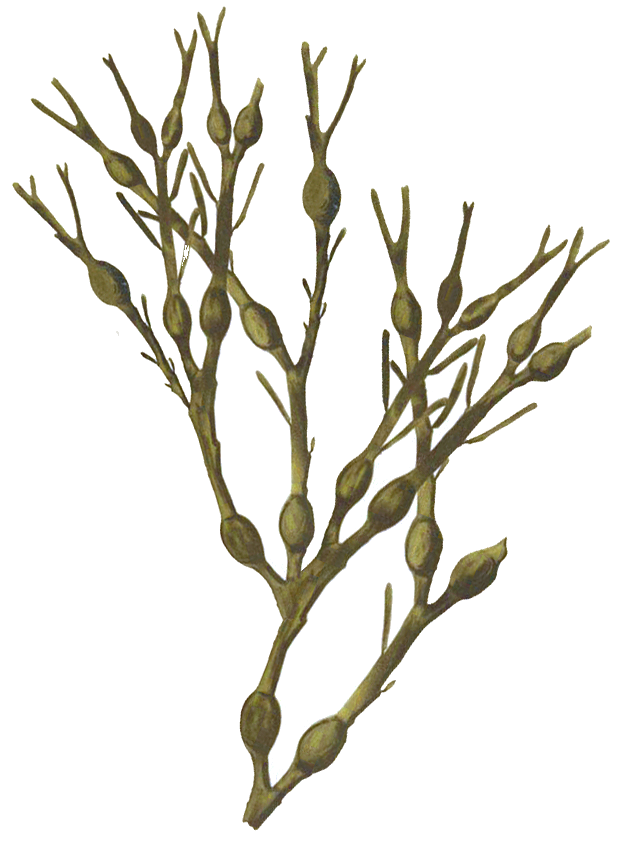
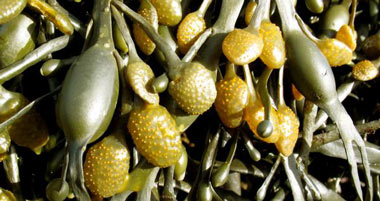
Ascophyllum Nodosum
Ascophyllum nodosum

Ascophyllum nodosum is one of the very few species of brown algae that can be currently used in animal nutrition, as it meets the requirements of the sector, i.e. wide availability, high quality standards and, obviously, cost-efficiency. The main purpose for the use of Ascophyllum is the documented improvement of intestinal health. This effect derives from its peculiar composition, which comprises different polysaccharides (alginates, fucoidans, laminarin, mannitol) and polyphenols (phlorotannins).


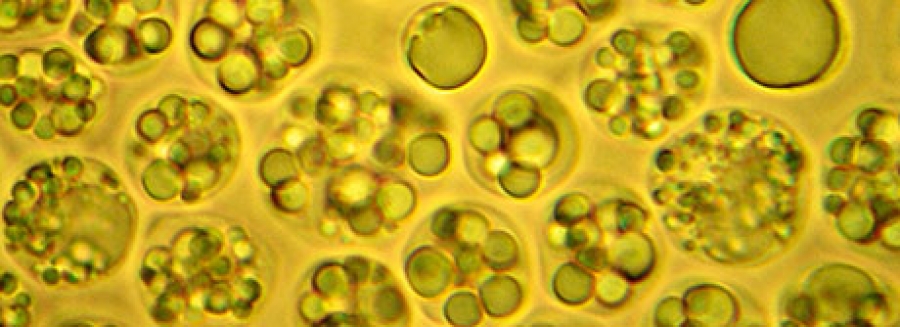
Schizochytrium – Omega3

This microalga contains approximately 60% of lipids and, more importantly, up to 32% of DHA (omega-3). It is the cheapest source of DHA of non-animal origin available on the market and is suitable for both industrial animals and pet foods. Schizochytrium is available as liquid suspension or as a powder, as in the case of our products Vitalg DHA and Vitalg DHA Extra.

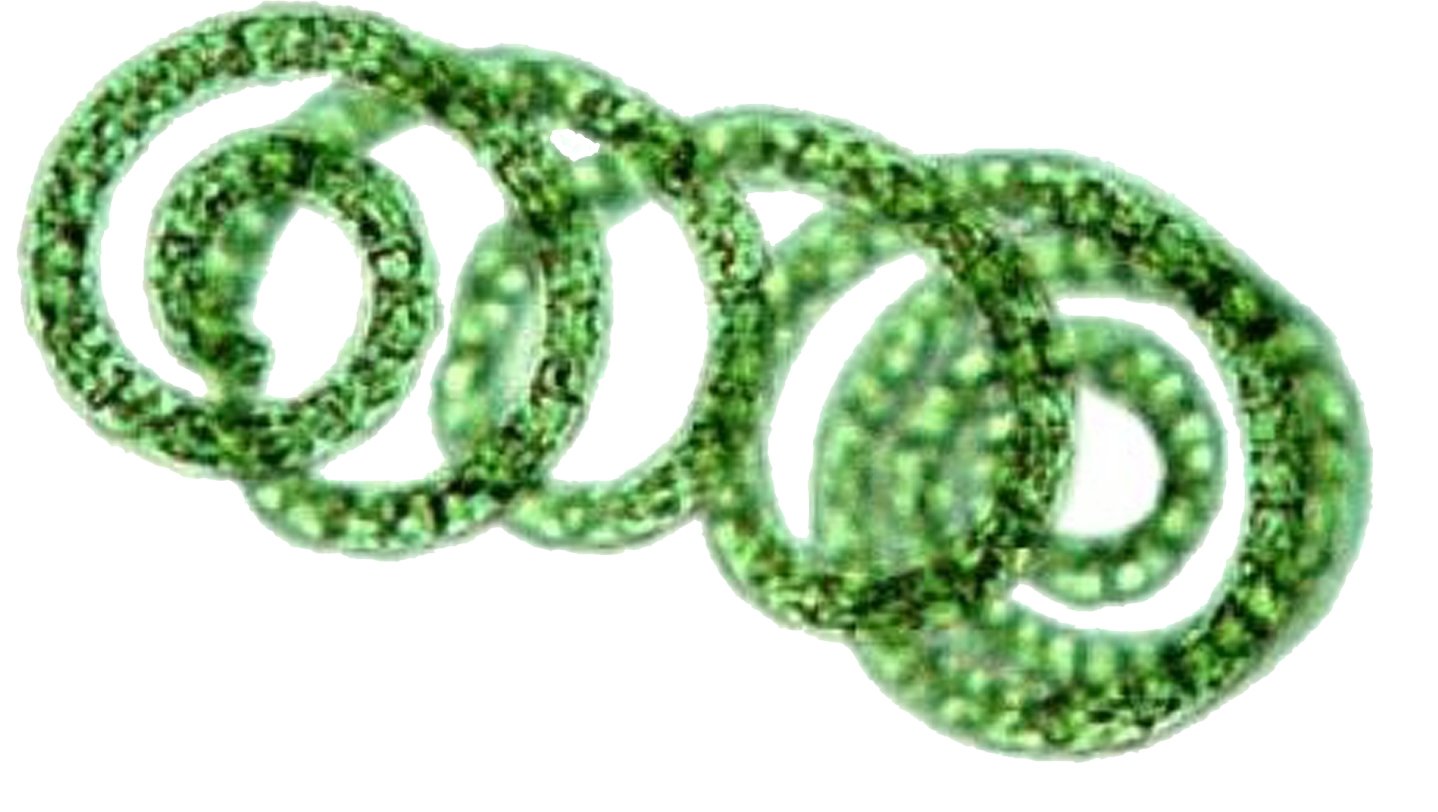
Spirulina

This very popular microalga contains around 60%+ of proteins; it is also renowned for containing valuable amounts of vitamins, minerals and beta-glucans, which help stimulate the immune system. It also contains several bioactive compounds, especially phycocyanine, that grant it strong anti-oxidant and anti-inflammatory properties. It is primarily used in pet food formulations.

Algae based formulations

Vitalg DHA

Vitalg DHA is a coated preparation whose key ingredient are microalgae of the genus Schizochytrium. The product contains an 11% DHA percentage, and it is suitable for monogastrics and ruminants. In vitro and in vivo tests conducted at the University of Piacenza show high levels of rumen protection and of availability of Omega 3. DHA has a pivotal role in the recovery from the inflammatory status that naturally occurs in animals after parturition. DHA may also have an important role in the fight against infertility of dairy cows and sows.

Vitalg DHA Extra

Vitalg DHA Extra is a coated preparation whose key ingredient is microalgae of the genus Schizochytrium. Its use brings the same benefits as Vitalg DHA, however the DHA content is even higher, at 17%. The product, however, is suitable for monogastrics only.

Vitalg S

Vitalg S

Vitalg S is a proper blend of selected algae; it is indicated for monogastrics in general and in particular for young animals. The use of Vitalg S in animal diet is beneficial for the intestinal health. Supplementation of Vitalg S to weaning piglets allows, in most cases, to significantly reduce the amount of Zinc Oxide.

Vitalg

Vitalg

Vitalg is a proper blend of high quality yeast culture and absolute seaweed meal. Vitalg has been specifically formulated for ruminants, and it can be particularly beneficial for dairy cows, milking goats and sheeps. Vitalg helps to overcome stressing periods, connected with high environmental temperatures or bad quality of fodder and hay, in highly producing animals.

Fibrafit

Fibrafit

Fibrafit is a complementary feed that consists in a blend of Norvegian Ascophyllum nodosum meal and sugarbeet pulps. Fibrafit has been expressly formulated for monogastrics, sows in particular. Due to its peculiar composition and fermentescibility, Fibrafit is a balanced source of different fibre fractions. It possesses a noticeable water holding capacity and it boosts both the intestinal prebiosis and the physical stimulation of the peristalsis.

    Prodotti Arca srl offers a wide range of specialized feed additives produced through the application of science and technology. Trials carried out in the best facilities in several countries worldwide certify the high quality and ease of use of Prodotti Arca’s feed additives.

    ADDRESS

    Via Giacosa 42 - 20900 Monza - Italy

    PHONE

    +39 039 2026635

    EMAIL

    info@prodottiarca.it